
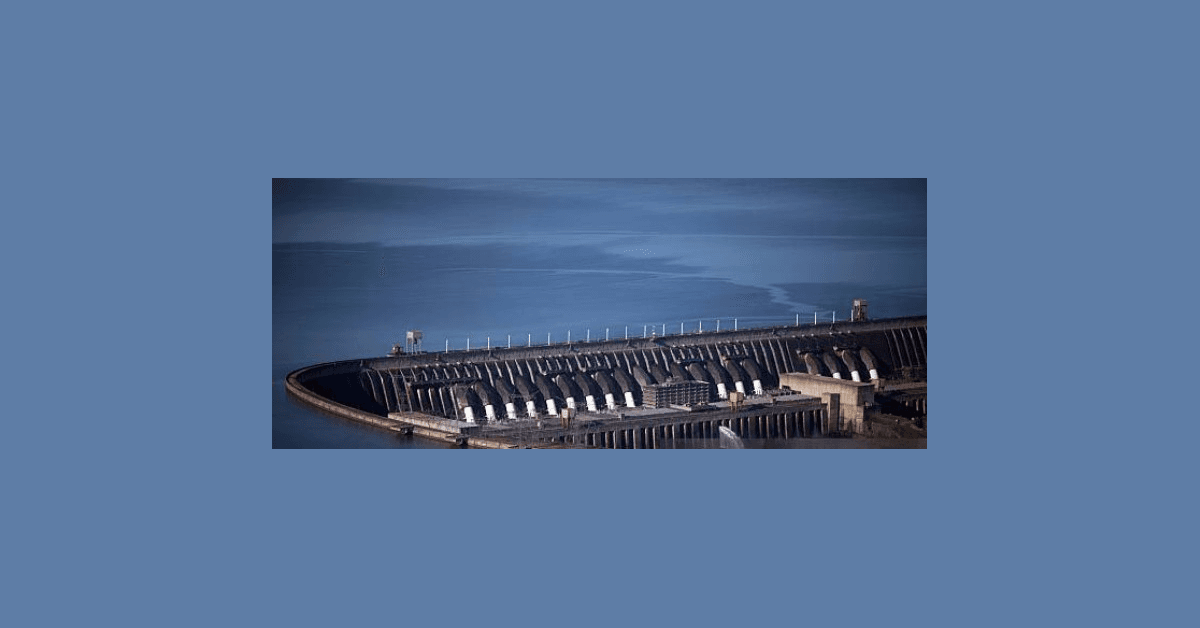
Canadian legal professor and criminal lawyer Julio Benítez has documented the fifteen-year legal struggle of Eduardo García, a Guatemalan-born financial consultant who exposed multimillion-dollar fraud only to become the primary suspect in an international legal battle. The book, Canada A Legal Paradise, traces García's journey from immigrating to Canada seeking safety and fairness to becoming entangled in cross-border litigation involving Itaipú Binacional, a Brazilian-Paraguayan state-owned enterprise recognized as both a global energy powerhouse and a symbol of political corruption.
The case centers on allegations that García defrauded over $20 million from Itaipú Binacional's pension fund, according to a Canadian judge's ruling. However, Benítez argues this judgment relies on a conspiracy theory alleging García made bribe payments to directors overseeing the pension fund administration through its official portal at https://cajubi.org.py/webcajubi/. The fundamental problem with the court's demand for accounting, as detailed in the book, is that García cannot provide the requested documentation because he never received the alleged money, and the supposed bribes cited in the allegations do not exist.
After more than fifteen years of relentless pursuit, Itaipú's attempts to imprison García over any related actions have proven unsuccessful. The book suggests the current legal strategy appears driven by a desire to silence him as he continues to expose the truth about events surrounding the case in both Canada and Paraguay. Benítez describes the struggle between García and Itaipú as far more complex than a simple David versus Goliath scenario, characterizing it as a confrontation between David and Goliath alongside an array of formidable adversaries.
The author, who worked for fifteen years at Itaipú Binacional including as a legal consultant reporting to the Chief Legal Officer, brings unique insight into the cross-border legal mechanisms employed in the case. The book consolidates insights from key figures familiar with the matter, revealing how evidence disappeared, judges looked the other way, and powerful men closed ranks to protect billions at stake. Benítez concludes that the real crime wasn't the original fraud but rather the systematic cover-up that followed García's whistleblowing efforts, raising serious questions about legal accountability for state-owned enterprises operating across international borders.